
























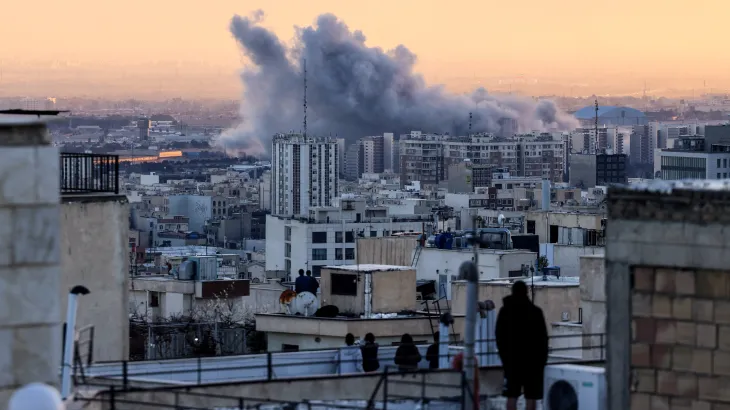
A ceasefire has recently been announced between the United States, Israel, and Iran, temporarily halting weeks of escalating conflict. The agreement is intended to reduce immediate violence and create an opportunity for negotiations, though it remains unclear how long it will last or whether it will lead to a permanent resolution.
The United States and Israel brought attacks and strikes upon Iran starting February 28th, leading to mass destruction and many injured or killed.
The attack upon Iran was originally carried out after Iran was claimed to continue to seek to own nuclear weapons despite the 2015 US-Iran nuclear deal. President Donald Trump states a “massive and ongoing military operation” was brought out because Iran had “rejected every opportunity to renounce their nuclear ambitions.”
Israel already has some troubling history with Iran before this, as Israel’s prime minister had a distaste towards Iran after the fall of the Syrian regime, and launched a war last summer toward Iran.
Within the process of this, there have been major losses and leadership concerns in Iran. (Note: claims about the death of Ali Khamenei are unconfirmed and widely disputed.)
In early March, Iran was still in an escalating conflict with the U.S. and Israel, with President Trump also saying “the attacks will be uninterrupted throughout the week or, as long as necessary” to achieve their objective of “peace throughout the Middle East.”
Iran continues attempting to situate itself and recover amidst the chaos and searches for stability in its leadership and future direction.