























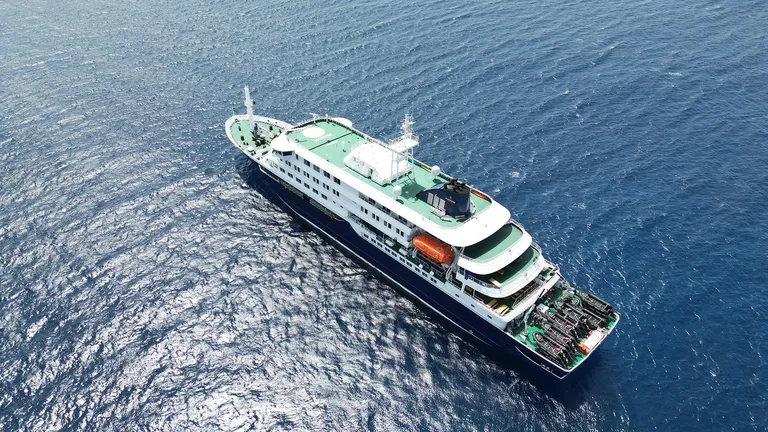
The World Health Organization reported a hantavirus outbreak on the cruise ship MV Hondius as of May 2 of this year. At this time, the WHO is stressing that the risks of hantavirus to the general public remain low.
The vessel was carrying 147 people, including both passengers and crew. The ship originated from Argentina, which is where the hantavirus strain originated.
It was discovered that the virus the individuals on the boat contracted is specifically referred to as the Andes virus, or the Andes strain, which is a distinct and dangerous hantavirus strain. It is known to spread from human to human, but usually requires intimate physical contact.
The disease resulted in only three deaths, and when docked, individuals showing symptoms who had been infected on the cruise were immediately sent to quarantine and to nearby hospitals for further research and healthcare.
Social media ratcheted up fears of the virus. There were many posts and videos circulating on TikTok claiming that the cruise ship had already docked in Spain. However, the week before May 10, when those posts were made, the ship had not yet docked. It was reported to be en route to Tenerife and was docked in Spain on Sunday, May 10, according to Live Science and Deutsche Welle.
Videos posted that week by TikTok influencers spreading both information and misinformation caused rising fear. Health officials caution the public to get their information from reliable news and medical organizations.
According to the Centers for Disease Control and Prevention, hantaviruses are a family of viruses carried by rodents that can cause severe, often fatal, respiratory illness or hemorrhagic fever in humans. It is transmitted primarily by breathing in airborne particles from infected rodent urine and droppings.